Understanding Powder Coating: The Basics
Powder coating is a modern finishing process that has significantly transformed how we protect and beautify metal surfaces. It offers a durable finish that is more resistant to scratches, chipping, fading, and wearing compared to traditional painting methods. For businesses and homeowners alike, understanding the nuances of powder coating can be crucial when selecting materials and finishes for projects ranging from railings to kitchen designs. When exploring options, Powder coating provides comprehensive insights into this remarkable process, making it an essential consideration for quality construction and design.
What is Powder Coating?
Powder coating is a dry finishing process that uses finely ground particles of pigment and resin to create a coating that is applied electrostatically and cured under heat. This technique results in a hard, durable surface that can withstand various environmental conditions. Unlike conventional liquid paints that require solvents to keep the quality intact, powder coating relies on a completely solid form, which allows for a more efficient and environmentally friendly application process.
Benefits of Using Powder Coating
- Durability: Powder coating provides a tough finish that is highly resistant to scratches, chemicals, and UV light.
- Variety of Finishes: Available in various colors and textures, powder coatings can be customized to fit any aesthetic requirement.
- Environmentally Friendly: The process produces minimal waste and emissions, making it a more sustainable choice compared to traditional paint.
- Cost-Effective: Although the initial investment may be higher, the longevity and low maintenance requirements reduce long-term costs.
Common Applications in Metalwork
Powder coating is widely used across various metal applications. Common areas include:
- Metal gates and doors for residential and commercial properties
- Railings and balusters, ensuring both safety and aesthetic appeal
- Furniture and fixtures in outdoor environments
- Automotive parts, providing a protective and attractive finish
- Home appliances, enhancing durability and design
How Powder Coating Works
The Powder Coating Process Explained
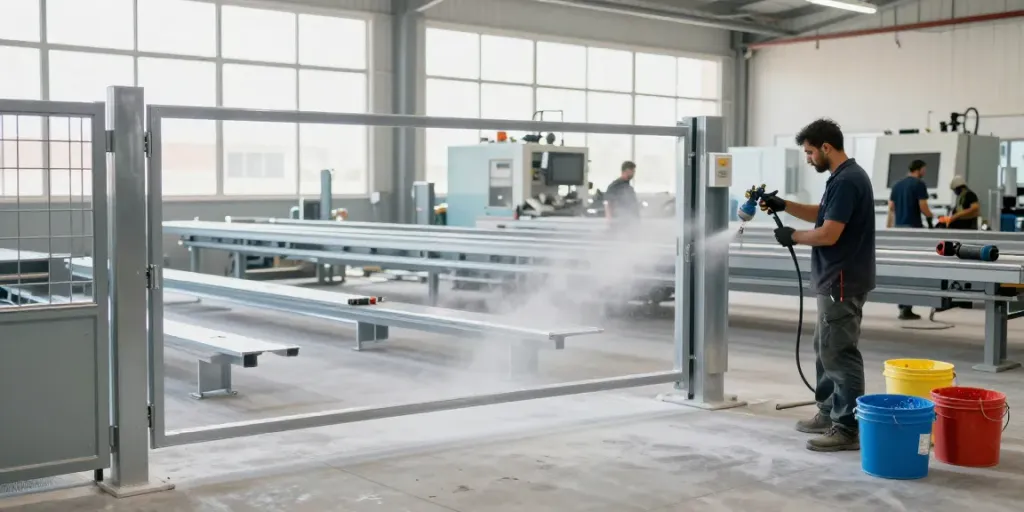
The powder coating process consists of several key steps that ensure a high-quality finish. It begins with surface preparation, which is crucial for ensuring proper adhesion. This is followed by the application of the powder using an electrostatic spray gun, which charges the powder particles to ensure even coverage. Finally, the coated items are cured in an oven, where heat causes the powder to melt and fuse, forming a continuous and durable finish.
Pre-treatment and Surface Preparation Techniques
Surface preparation is a vital part of the powder coating process. Without proper cleaning and pre-treatment, the resulting finish can be compromised. Techniques often involve:
- Degreasing: Removing oil, grease, and contaminations from the metal surface.
- Mechanical Cleaning: Physical methods such as sandblasting or grinding to create a rough surface profile.
- Phosphate Coating: Applying a chemical treatment to enhance corrosion resistance.
Curing Methods and Their Importance
Curing is crucial as it determines the final properties of the powder coating. The heat applied during curing enables the powder to melt and bond to the substrate, promoting chemical cross-linking. Traditional curing methods involve using an oven, while more advanced technologies may utilize infrared curing or UV curing for specific applications.
Quality Control in Powder Coating
How to Ensure High-Quality Finishes
Maintaining high quality during the powder coating process is essential for achieving a durable and appealing finish. Key measures include regular equipment calibration, monitoring environmental conditions, and conducting inspections at various stages of the process. Documentation of the powder coating conditions and results presents a reliable record for quality assurance.
Common Defects and Troubleshooting
Despite best efforts, defects can occasionally occur. Common issues include:
- Crawling: Occurs when the powder does not adhere properly, leaving bare spots.
- Orange Peel: A textured finish that resembles the skin of an orange, often caused by insufficient curing.
- Color Variations: Differences in color due to inconsistent application or mixing.
Measuring Success: Industry Standards
Adhering to industry standards is critical for ensuring the longevity and performance of powder coatings. Organizations such as the American Powder Coating Institute (APCI) provide guidelines and best practices, ensuring that manufacturers maintain quality throughout the powder coating process.
Future Trends in Powder Coating
Innovations and Technology Advancements in 2026
The powder coating industry is poised for significant advancements in 2026. Innovations are expected to include:
- Smart Coatings: Integration of technologies that enable coatings to respond to environmental changes.
- Improved Application Techniques: Enhanced spraying technologies for better coverage and reduced overspray.
- Advanced Curing Methods: Development of faster and more energy-efficient curing systems.
Environmental Impact and Sustainability Practices
With increasing emphasis on sustainability, the powder coating industry is adopting various eco-friendly practices. These include the development of bio-based powders and systems for reclaiming and reusing overspray, thus minimizing waste.
Market Predictions for Powder Coating Demand
As industries continue to recognize the benefits of powder coating, demand is projected to increase significantly over the coming years. The construction, automotive, and outdoor furniture sectors will likely drive this growth, emphasizing the need for durable and sustainable finishes.
Choosing a Powder Coating Service Provider
What to Look for in a Powder Coating Company
Selecting the right powder coating service provider is essential for ensuring quality and satisfaction. Key factors to consider include:
- Experience in the industry and a proven track record of completed projects.
- Facility capabilities, including the type of equipment and technology used.
- Customer testimonials and reviews that reflect the provider's reliability and service quality.
Questions to Ask Before Hiring
When speaking with potential powder coating companies, consider asking:
- What types of coatings do you specialize in?
- Can you provide references from previous projects?
- What quality control measures do you implement?
Understanding Cost and Value in Powder Coating Services
The cost of powder coating services can vary widely based on factors such as project size, complexity, and specific requirements. It is crucial to balance cost with quality; sometimes a lower price may indicate compromised materials or processes, while an investment in high-quality powder coating can yield superior long-term results.
What are the advantages of in-house fabrication?
In-house fabrication offers several advantages, including greater control over the production process, quicker turnaround times, and minimized risk of errors associated with outsourcing. Having everything done under one roof means that adjustments can be made swiftly, ensuring projects remain on schedule and within budget.