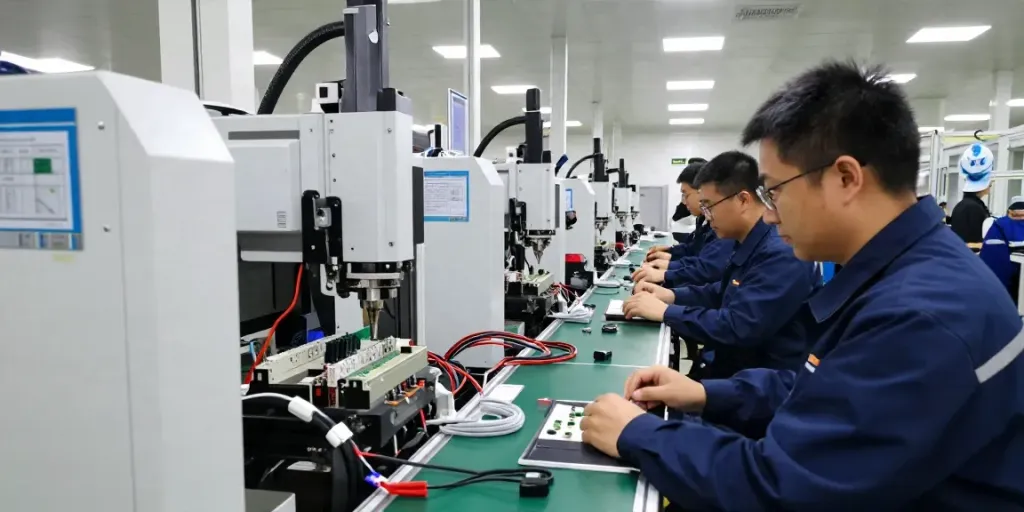
Understanding Industrial Electrical Connectors
Industrial electrical connectors play a crucial role in establishing reliable electrical connections across various applications, ensuring safety and efficiency in environments like manufacturing, telecommunications, and automation. These components are designed to withstand harsh conditions while providing secure connectivity, which is essential for maintaining operational continuity. When exploring options, Industrial electrical connectors can provide comprehensive insights into what is available in the market today.
What Are Industrial Electrical Connectors?
Industrial electrical connectors are specialized devices designed to join electrical circuits and facilitate the transmission of electrical power and signals. Unlike standard connectors used in consumer electronics, industrial connectors are built to endure demanding conditions, including exposure to moisture, dust, and extreme temperatures. Their robust construction ensures they can maintain functionality in environments where standard connectors would fail.
Key Features and Benefits of Industrial Electrical Connectors
- Durability: Industrial connectors are engineered to withstand physical stress and environmental impacts, making them ideal for heavy machinery and outdoor installations.
- Safety: Many industrial connectors feature built-in safety mechanisms, such as locking mechanisms and environmental seals, to prevent accidental disconnections and exposure to contaminants.
- Versatility: These connectors are available in various sizes and configurations, allowing them to cater to a wide range of applications across multiple industries.
- High Performance: Industrial connectors are designed for reliable performance under high electrical loads and can handle higher voltages and currents compared to standard connectors.
Types of Industrial Electrical Connectors Available
Industrial electrical connectors come in various types, each suited for specific applications. Some of the most common types include:
- Circular Connectors: Often used in industrial automation and robotics, these connectors provide a reliable and compact solution for multiple signals and power connections.
- Rectangular Connectors: Commonly used in telecommunications and data transmission systems, rectangular connectors offer high-density connection options with customizable pin configurations.
- Modular Connectors: These connectors are designed for flexibility, allowing users to configure multiple connectors into one single unit, enhancing versatility in applications.
- Heavy Duty Connectors: Designed for the most demanding environments, these connectors are built to handle high current and voltage levels while resisting impact and environmental exposure.
Industry Applications for Industrial Electrical Connectors
Industrial electrical connectors are widely used across multiple sectors, each demanding specific features and performance characteristics tailored to their operational needs. Understanding these applications can help businesses choose the right connectors for their projects.
Usage in Industrial Automation
In industrial automation, connectors play a pivotal role in linking various devices, sensors, and machinery. Reliable electrical connections are critical for the seamless operation of automated assemblies, robotic arms, and control systems. Industrial connectors ensure that signals and power are transmitted effectively, preventing downtime and enhancing productivity.
Role in Medical and Laboratory Equipment
In the medical field, the integrity and reliability of electrical connections can be a matter of life and death. Industrial electrical connectors are integrated into diagnostic machines, laboratory devices, and therapeutic equipment. Their robust design ensures they meet strict medical standards for safety and reliability, minimizing the risk of equipment failure in critical situations.
Importance in Telecommunications and IT Infrastructure
Telecommunications infrastructure relies on seamless data transfer and power supply, making industrial connectors a cornerstone of this industry. They are essential for connecting various network components, including routers, switches, and servers, ensuring stable connectivity and efficient operation in data centers and telecommunication networks.
Choosing the Right Industrial Electrical Connectors
Selecting the appropriate industrial electrical connectors is crucial for ensuring effective performance and safety in any application. Here are some key factors to consider when making this choice.
Factors to Consider When Selecting Connectors
- Environment: Assess the environmental conditions where the connectors will be used, including temperature, humidity, and exposure to chemicals or dust.
- Current and Voltage Ratings: Ensure that the connectors can handle the required electrical load for the specific application, preventing overheating and potential failures.
- Size and Configuration: Choose a connector that fits the space constraints of your application while meeting the required configuration for connections.
- Standards and Certifications: Verify that the connectors comply with relevant industrial standards and certifications, ensuring safety and reliability.
Common Mistakes to Avoid
When choosing industrial electrical connectors, avoid these common pitfalls:
- Underestimating Environmental Conditions: Failing to account for environmental factors can lead to premature connector failure. Ensure you select connectors that meet the specific environmental demands.
- Ignoring Specifications: Neglecting to check the specifications can result in selecting a connector with inadequate current and voltage ratings.
- Overlooking Customization: Many applications may require tailored solutions, such as custom cable lengths or configurations. Don’t hesitate to explore custom options.
Understanding Specifications and Ratings
Understanding the specifications and ratings of industrial electrical connectors is essential for ensuring their suitability for specific applications. Key elements to consider include:
- IP Ratings: The Ingress Protection (IP) rating indicates the connector's resistance to dust and moisture, crucial for outdoor and harsh environment applications.
- Temperature Range: Check the operating temperature range of the connectors to ensure they can function effectively under varying thermal conditions.
- Mechanical Strength: Evaluate the mechanical specifications to understand how well the connectors can withstand physical stress and strain.
Custom Solutions and Innovations in Connector Technology
The ever-evolving needs of industries are driving innovations in connector technology, leading to the development of custom solutions that provide enhanced functionality and versatility. Businesses must remain informed about these advancements to maximize their operations.
Engineering Custom Industrial Electrical Connectors
Custom industrial electrical connectors can be engineered to meet specific requirements, including unique configurations, sizes, and performance characteristics. Collaborating with manufacturers can facilitate the design and development of connectors tailored to unique applications, enhancing performance and reliability.
Innovative Materials and Designs in 2026
Recent advancements in materials and designs are revolutionizing industrial electrical connectors. Innovations such as the use of hybrid materials, which combine the benefits of metals and plastics, are leading to lighter, more durable options that can withstand extreme conditions while providing excellent electrical performance. Additionally, advancements in manufacturing technologies allow for intricate designs that improve functionality.
Future Trends in Industrial Connector Solutions
As we move forward, trends such as miniaturization, improved environmental resistance, and increased connectivity will shape the future of industrial electrical connectors. The integration of smart technologies, such as IoT capabilities, is expected to enhance the functionality of connectors, allowing for real-time monitoring and data transmission.
FAQs about Industrial Electrical Connectors
What are the different types of industrial connectors?
There are various types of industrial connectors, including circular, rectangular, modular, and heavy-duty connectors, each serving specific applications and environments.
Why are certifications important for industrial connectors?
Certifications ensure that connectors meet industry standards for safety, performance, and reliability, which is crucial for maintaining operational safety and efficiency.
How do I know which connector to use for my application?
Understanding the environmental conditions, load requirements, and specific application needs will guide you in selecting the appropriate industrial connector.
What makes industrial electrical connectors durable?
The durability of industrial electrical connectors comes from their robust construction, use of high-quality materials, and specific design features that enhance resistance to environmental factors.
Can I customize industrial connectors for specific needs?
Yes, many manufacturers offer customization options, allowing you to tailor connectors to meet specific requirements for your application, including size, configuration, and materials.