Understanding Smart Lock Technology
In today's rapidly evolving world, the security of your home is more important than ever. With the increasing prevalence of smart home technology, smart locks have emerged as a top-tier solution for securing residential and commercial properties. A smart lock provides not only enhanced physical security but also offers convenience through integration with various smart home systems. Whether you are considering upgrading your current locking mechanism or looking for new security measures, understanding the nuances of smart lock technology is essential. When exploring options, خرید قفل هوشمند can be your first step towards a more secure home.
What is a Smart Lock?
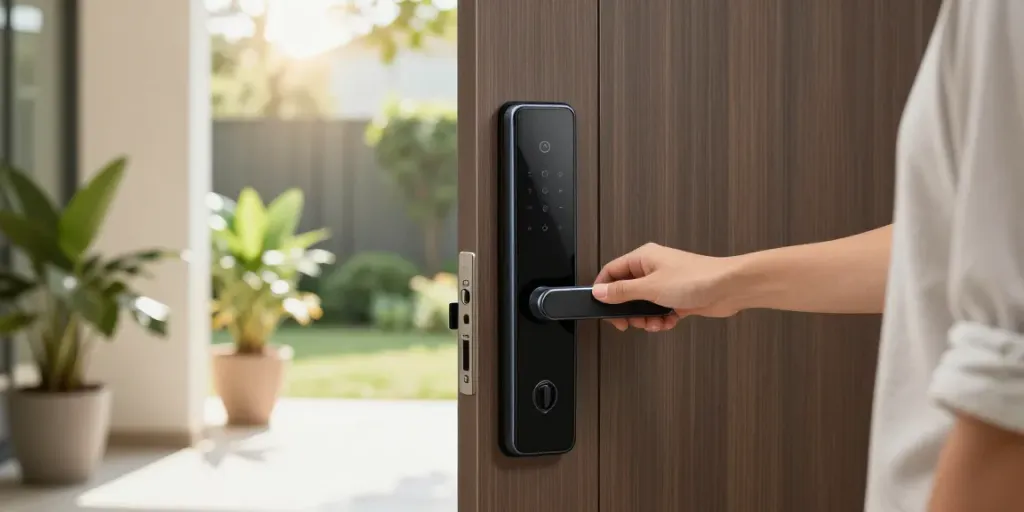
A smart lock is an electronic locking device that provides an alternative to traditional keys, allowing authorized users to unlock a door via a smartphone application, keypad, or biometric sensors. Smart locks are designed to improve convenience and security. They can be connected to the internet and controlled remotely, enabling features like keyless entry, user access management, and activity monitoring. These advanced locks come in various forms, including deadbolts and lever styles, catering to different types of doors and security needs.
How Smart Locks Work
The functionality of a smart lock is primarily governed by its connectivity options. Most smart locks connect to your home Wi-Fi network or Bluetooth-enabled devices. When a user attempts to unlock their door, the smart lock communicates with their smartphone or other authorized devices through encrypted signals. This process can involve entering a code, scanning a fingerprint, or using a mobile app. Additionally, many smart locks offer integration with smart home systems, such as Amazon Alexa or Google Assistant, allowing voice-activated control.
Benefits of Smart Locks
Smart locks provide a multitude of benefits that cater to the modern homeowner:
- Convenience: No more fumbling for keys; simply use your smartphone or a code.
- Enhanced Security: Many smart locks include features like two-factor authentication and encryption to protect against unauthorized access.
- Control and Monitoring: Users can grant temporary access to guests and monitor entry logs for peace of mind.
- Remote Access: Lock or unlock your door from anywhere in the world via your smartphone.
Choosing the Right Smart Lock for Your Needs
As the market for smart locks expands, selecting the ideal model that best aligns with your security requirements can be daunting. Various factors must be considered to ensure you make the most informed decision.
Factors to Consider When Buying
Before making a purchase, it is crucial to evaluate several key factors:
- Compatibility: Ensure the lock is compatible with your existing door structure and smart home system.
- Power Source: Smart locks can be battery-powered or hardwired; consider which option would work best for your setup.
- Security Features: Look for locks that offer features such as two-factor authentication and data encryption.
- User Capacity: Determine how many users will need access and if the lock can accommodate that.
Comparing Smart Lock Features
Smart locks offer a range of features; comparing them can help identify the right choice:
- Keypad Entry: Some models have touchpads, allowing for PIN-based entry.
- Biometric Scanners: These locks use fingerprint recognition for enhanced security.
- App Control: Make sure the lock can be controlled via a user-friendly app.
- Alerts and Notifications: Choose a model that will notify you when someone enters or exits.
Top Brands to Consider
As you navigate the options, keep an eye on reputable brands known for their reliability and security features. Brands like August, Schlage, and Kwikset are well-regarded in the market for smart locks. Research user feedback and expert reviews to gauge performance and customer satisfaction.
Installation and Integration of Smart Locks
Proper installation and integration of your smart lock with existing security systems are vital for optimal performance and security. Understanding the installation process can save you time and prevent complications.
How to Install Your Smart Lock
Most smart locks come with comprehensive installation instructions. However, the general steps usually include:
- Remove the existing lock from your door.
- Follow the manufacturer’s instructions to install the smart lock hardware.
- Connect the lock to your Wi-Fi or Bluetooth network.
- Test the lock's functionality and make any necessary adjustments.
Integrating with Home Automation Systems
Many smart locks offer compatibility with home automation platforms. Integration allows you to control your lock alongside other smart devices, such as lights and security cameras. Configuring your smart lock with your home automation system can enhance your overall security strategy.
Troubleshooting Common Issues
If you encounter problems with your smart lock, common troubleshooting steps include:
- Check the power source, ensuring batteries are charged or connections are secure.
- Ensure that your Wi-Fi signal is strong and stable.
- Reboot the lock according to the manufacturer's instructions.
Security Considerations with Smart Locks
While smart locks offer advanced security features, it is essential to remain vigilant and consider potential vulnerabilities.
Evaluating Security Features
When assessing a smart lock's security features, look for elements like:
- Encryption methods to protect user data.
- Alerts for unusual activity, such as unauthorized access attempts.
- Backup options for traditional keys in case of a technology failure.
Best Practices for Safe Usage
To maximize the security of your smart lock, adhere to the following practices:
- Regularly update the lock's firmware to safeguard against vulnerabilities.
- Use strong, unique passwords for your lock and associated accounts.
- Monitor user access and remove permissions for individuals no longer needing access.
Understanding Vulnerabilities
It is crucial to be aware of potential vulnerabilities in your smart lock, including hacking attempts and technology failures. Opt for locks that provide robust security features and have a transparent history of addressing known vulnerabilities.
Future Trends in Smart Lock Technology
The landscape of smart locks is continually evolving. Emerging trends are likely to shape the future of home security significantly.
2026 Innovations to Watch For
In 2026, expect innovations in smart lock technology to incorporate more advanced biometric features, improved AI algorithms for user recognition, and enhanced integration capabilities with smart home ecosystems. These developments will further streamline access control and improve security.
Impact of AI on Smart Locks
Artificial Intelligence is set to revolutionize smart lock technology. With AI, locks can learn user behavior patterns, recognize trusted individuals, and even predict potential security threats before they occur. This personalized approach to security will help homeowners feel more secure and in control.
Sustainability and Smart Home Security
As energy efficiency gains traction in home design, smart locks are likely to evolve to become more energy-efficient. This includes the development of locks that harness renewable energy sources or that are designed with sustainable materials.