Understanding Plumbing Business Software
In the fast-paced world of plumbing, efficiency, and streamlined operations are paramount for success. A plumbing business often juggles numerous tasks daily, from scheduling jobs to managing invoices and communicating with clients. This is where Plumbing Business Software comes into play. This software not only enhances productivity but also ensures that plumbing businesses can provide exceptional service in an increasingly competitive market. Let's delve into the essentials of plumbing business software and how it revolutionizes the plumbing industry.
What is Plumbing Business Software?
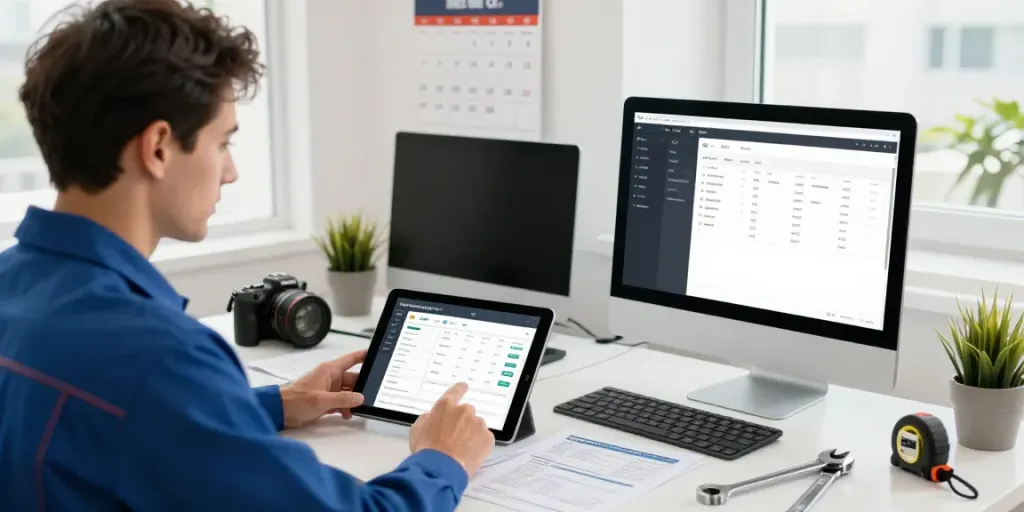
Plumbing business software refers to tools specifically designed to help plumbing companies manage their operations effectively. This software encompasses a wide range of functionalities, including scheduling, dispatching, invoicing, and customer management. By using this type of software, plumbing businesses can automate routine tasks, reduce paperwork, and improve overall efficiency. In essence, plumbing business software acts as a centralized platform for managing various aspects of the business.
Benefits of Using Plumbing Business Software
The advantages of implementing plumbing business software are manifold. Here are some key benefits:
- Increased Efficiency: Automating scheduling and dispatching reduces the time spent on administrative tasks, allowing plumbers to focus more on their core work.
- Improved Customer Communication: Many software solutions offer customer portals where clients can check their service status and communicate directly with the plumbing business.
- Accurate Estimates and Invoicing: Generate precise estimates and invoices quickly with templates and data integration, minimizing billing errors.
- Enhanced Reporting: Gain insights into business performance through detailed reports that track key metrics such as job costs, revenues, and customer satisfaction.
Key Features to Look For
When selecting plumbing business software, it’s important to look for features that cater specifically to the unique demands of the plumbing industry. Some essential features include:
- Job Scheduling: Ability to schedule jobs efficiently, assign tasks to plumbers, and manage job timelines.
- Mobile Accessibility: Software should be accessible via mobile devices for on-the-go updates and communication.
- Customer Relationship Management (CRM): Integrated CRM functionalities to manage customer data and communication.
- Invoicing and Payment Processing: Tools for creating invoices, accepting payments, and managing financial transactions.
- Reporting Tools: Features that provide insights into business performance and help gauge areas for improvement.
Choosing the Right Software for Your Plumbing Business
Selecting the right plumbing business software can significantly impact your operational efficiency and customer satisfaction. It's essential to evaluate different options carefully to find the most suitable fit for your business needs.
Comparing Different Plumbing Software Options
To start, compile a list of available plumbing software solutions and compare their features, pricing, and customer reviews. Key players in the market include ServiceTitan, Jobber, and Housecall Pro, each offering a unique set of features tailored to various business sizes and needs. Consider using trial versions to get a firsthand experience of the software functionality before making a commitment.
Factors Influencing Your Choice
Several factors should influence your decision when choosing plumbing business software:
- Business Size: Different software may be better suited for small businesses compared to larger enterprises.
- Feature Requirements: Identify the features that are most critical for your operations and ensure the software supports them.
- Budget: Consider your budgetary constraints and find a solution that offers maximum value for your investment.
- User-Friendliness: The software should be intuitive and easy to navigate for all team members.
Reading User Reviews and Testimonials
Before finalizing your choice, take the time to read user reviews and testimonials. This feedback can provide valuable insights into the software's performance, customer support, and overall user satisfaction. Look for patterns in the reviews—common praises or complaints can guide your decision-making process.
Step-by-Step Guide to Setting Up Your Software
Once you have selected the most appropriate plumbing business software, the next step is to set it up effectively to achieve maximum efficiency.
Initial Setup and Configuration
The initial setup generally involves creating user accounts and configuring the software settings to align with your business processes. Most software providers offer onboarding support, which can simplify this process. Utilize resources such as setup wizards and tutorials to ensure a smooth initiation.
Integrating with Existing Systems
If your plumbing business utilizes other software systems, consider how well the new plumbing business software integrates with these existing tools. Seamless integration can prevent data silos and streamline information flow across your business operations.
Training Staff on New Software
An effective training program is crucial for ensuring your team can use the new software efficiently. Make sure to provide comprehensive training sessions that cover all essential functionalities, and consider ongoing support options for troubleshooting and questions.
Maximizing the Use of Your Plumbing Software
To truly leverage the capabilities of your plumbing business software, you must adopt strategies that maximize its utility across various operational areas.
Scheduling Jobs Efficiently
Use the scheduling feature to plan jobs based on plumber availability and customer needs. Opt for software that allows for drag-and-drop scheduling to make last-minute adjustments easy. Automated reminders for appointments can also enhance customer service.
Managing Invoices and Payments
Streamline your invoicing process by utilizing templates within the software. Set up recurring billing for regular clients and integrate payment processing systems to offer multiple payment options, enhancing convenience for your customers.
Tracking Performance Metrics
Regularly review performance metrics using the reporting features of your plumbing software. Focus on indicators such as job completion times, revenue generated per job, and customer feedback scores to identify trends and areas where improvements can be made.
Future Trends in Plumbing Business Software
The plumbing industry is continually evolving, thanks in part to advancements in technology. Staying ahead of these trends can help your business remain competitive.
Emerging Technologies to Watch For in 2026
As we look towards 2026, here are some emerging technologies that are set to impact plumbing business software:
- Artificial Intelligence: AI will enhance customer service through chatbots and automated responses, as well as improve job scheduling and resource management.
- Mobile Applications: Expect increased use of mobile apps that enable plumbers to access job information and customer data on-site.
- IoT Integration: Internet of Things (IoT) devices can provide real-time data about plumbing systems, allowing for proactive maintenance and quicker response times.
How Software is Shaping the Future of Plumbing
The trend towards digitalization in plumbing not only improves operational efficiency but also enhances customer experiences. Businesses that adopt innovative software solutions will likely see increased customer loyalty and satisfaction.
Preparing Your Business for Upcoming Changes
To prepare for the future, stay abreast of technology trends and be ready to adapt your business strategies accordingly. Continuous training and openness to new software features or systems will ensure your business can thrive amidst changes in the industry.
What software do plumbers use?
Plumbers commonly use specialized software solutions designed for their industry, such as Jobber, ServiceTitan, and FieldPulse, which help them manage scheduling, invoicing, and customer relationships.
How to run your own plumbing business?
Running your own plumbing business involves understanding the trade, managing finances effectively, providing excellent customer service, and utilizing tools like plumbing business software to streamline operations.
What is the best software for plumbing design?
For plumbing design, software such as AutoCAD and Revit MEP are commonly used, as they allow plumbing professionals to create detailed designs and simulations for plumbing systems.