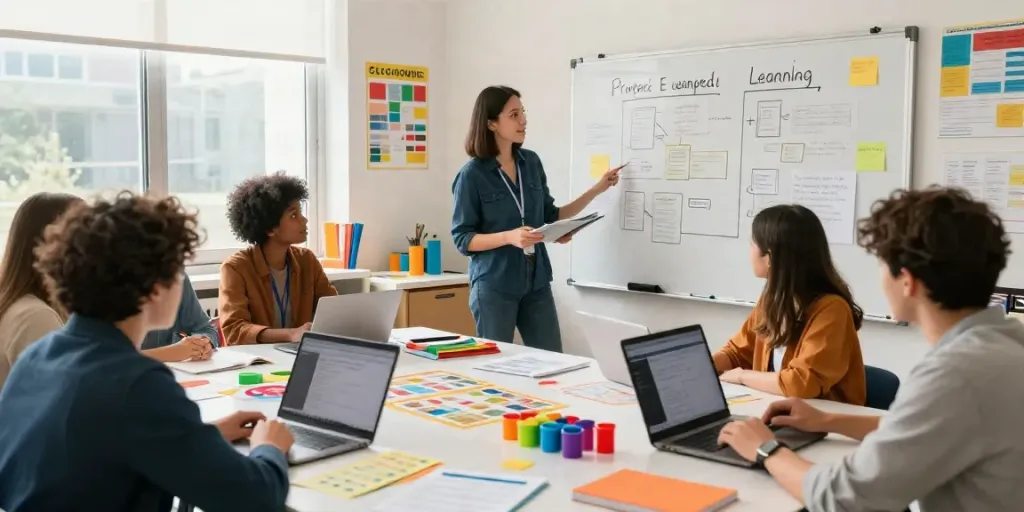
Introduction to Free Teacher Resources
In the ever-evolving world of education, teachers constantly seek tools that enhance learning while being mindful of budgets. Free teacher resources have emerged as invaluable assets in this quest, providing educators with a wealth of materials that support diverse learning environments. These resources not only save money but also foster creativity and innovation in lesson planning. By leveraging platforms that offer a variety of educational materials, teachers can enrich their classrooms without the financial strain. When exploring options, free teacher resources can be a game-changer for educators looking to inspire students in grades 6–12.
Understanding the Value of Free Resources
The value of free teacher resources extends beyond their cost-effectiveness. They level the playing field for all educators, ensuring that every teacher, regardless of their financial situation, has access to high-quality materials. These resources often include lesson plans, worksheets, digital tools, and classroom activities that can be adapted to different teaching styles and student needs. Moreover, the accessibility of these materials allows teachers to focus on what truly matters—providing engaging and effective instruction.
How Free Teacher Resources Enhance Learning
Utilizing free teacher resources can significantly enhance student learning. By incorporating diverse materials into lesson plans, teachers can cater to various learning styles and preferences. For instance:
- Visual learners benefit from infographics and videos.
- Auditory learners thrive on podcasts and discussions.
- Kinesthetic learners engage best with hands-on activities.
Free resources allow teachers to implement project-based and experiential learning, encouraging students to apply their knowledge in real-world contexts, fostering deeper understanding and retention of information.
Identifying Reliable Sources for Free Materials
While the internet is replete with free teacher resources, it’s crucial for educators to identify reliable sources. Quality over quantity should always be the guiding principle. Some reputable platforms include:
- Belltobell.org: Housing an extensive library of practical resources.
- Teachers Pay Teachers: A marketplace offering a multitude of free materials.
- Share My Lesson: A community-driven site with user-generated lesson plans.
By sticking to trusted sites, teachers can ensure they are equipped with high-quality materials that enhance their teaching effectiveness.
Exploring Project-Based Learning Resources
Project-based learning (PBL) has gained traction as an effective pedagogical approach, particularly for middle and high school students. It not only engages students but also helps them develop critical thinking and collaboration skills. Free resources play a pivotal role in this learning method.
Key Components of Effective Project-Based Learning
Effective PBL involves several key components that teachers should keep in mind:
- Driving questions that inspire curiosity and exploration.
- Student choice regarding the topics and methods of learning.
- Real-world connections that make learning relevant.
By structuring projects around these components, educators can create meaningful learning experiences that resonate with students.
Resources for Designing Engaging Projects
Various free resources are available to assist teachers in designing engaging projects. Websites such as the Project-Based Learning Network provide templates, examples, and detailed guides on creating effective PBL experiences. Additionally, platforms like Belltobell.org offer curated lists of project ideas and assessment rubrics that streamline the planning process.
Evaluating Student Performance in Project-Based Activities
Assessment in PBL can be complex due to its multifaceted nature. Teachers can utilize rubrics that focus on both the process and the final product. Peer evaluations and self-assessments are also effective, allowing students to reflect on their learning journey. Free resources that offer sample rubrics can be highly beneficial in standardizing assessment criteria.
Building a Positive Classroom Culture
Creating a positive classroom culture is essential for fostering an environment conducive to learning. This culture sets the tone for student interactions and influences their academic success. Various free resources can assist teachers in establishing and maintaining this culture.
Strategies for Implementing Positive Reinforcement
Positive reinforcement strategies can effectively motivate students. Techniques include:
- Verbal praise recognizing student efforts and achievements.
- Classroom rewards systems that incentivize good behavior.
- Peer recognition programs that promote a supportive classroom community.
Utilizing these strategies encourages a more collaborative and respectful classroom environment.
Comparing Classroom Culture Frameworks
Different frameworks exist for shaping classroom culture, including:
- PBIS (Positive Behavioral Interventions and Supports)
- Responsive Classroom
- Recognition-based systems
Teachers can explore free resources that provide insights into these frameworks, facilitating informed decisions on which approach aligns best with their teaching philosophy and classroom dynamics.
Resources for Improving Student-Teacher Interactions
Improving interactions between students and teachers is vital for a positive classroom culture. Implementing strategies such as regular feedback sessions and establishing clear communication protocols helps build trust and respect in the classroom. Free resources like communication templates and feedback forms can make this process more efficient.
Classroom Management Techniques
Effective classroom management is crucial for creating an environment where students can thrive. It involves setting clear expectations, maintaining routines, and ensuring productive use of instructional time.
Creating Effective Classroom Routines
Establishing routines helps create a structured learning environment. Teachers can benefit from resources that offer templates for daily schedules and behavioral expectations. These routines provide students with a sense of security and help them understand what is expected of them.
Tools for Parent Communication and Involvement
Engaging parents in the educational process enhances student success. Free tools for effective communication include:
- Email templates for regular updates.
- Parent-teacher conference guides to facilitate discussions.
- Feedback forms to collect parent insights.
Building strong home-school connections leads to improved student outcomes.
Practical Tips for Managing Diverse Classrooms
Managing a diverse classroom requires understanding and addressing various student needs. Strategies include differentiated instruction, culturally responsive materials, and fostering an inclusive environment. Free resources that provide guidance on these strategies are invaluable for teachers aiming to create equitable learning opportunities for all students.
Daily Engagement Strategies
Engagement is crucial for maintaining student interest and enhancing learning outcomes. Employing various strategies can help capture and maintain that interest throughout the school year.
Using Bell Ringers to Start Class Effectively
Bell ringers are effective tools for transitioning students into the classroom environment. They can stimulate thinking, review previous material, or introduce new concepts. Free resources that provide daily bell ringer ideas, such as the Daily Bell Ringers on educational platforms, can help teachers save time and enhance lesson quality.
Entering the Year with Engaging Classroom Games
Classroom games serve as excellent icebreakers and foster camaraderie among students. Quick and easy games that require minimal preparation can be found in free resource libraries. Incorporating these games at the start of the year sets a positive tone and encourages student interaction.
Long-Term Strategies for Sustaining Student Interest
Sustaining student interest requires regular updates to teaching approaches. Integrating technology, current events, and relevant content keeps lessons fresh and engaging. Teachers can benefit from ongoing professional development workshops that focus on innovative strategies for engaging diverse learners.
What are the best free resources for teachers?
Some of the best free resources for teachers include those offered by platforms like Belltobell.org, which provides a comprehensive library of materials tailored specifically for educators in grades 6–12. Other useful platforms include Teachers Pay Teachers, Share My Lesson, and various educational blogs that offer diverse teaching strategies, lesson plans, and printables.
How can I implement project-based learning in my classroom?
To implement project-based learning successfully, begin by clearly defining the learning objectives and identifying driving questions that resonate with students. Utilize available PBL resources, such as templates and assessment rubrics, to guide the project design. Ensure that projects are relevant to students’ interests and provide opportunities for collaboration and creativity.
Where can I find print-ready teaching materials?
Print-ready teaching materials can be found on various educational resource websites, including Teachers Pay Teachers and free teacher resource sites. Platforms like Belltobell.org specifically curate collections that are designed for easy printing and use in the classroom, making it straightforward for teachers to find what they need.
What strategies can improve classroom culture?
Improving classroom culture involves implementing strategies such as positive reinforcement, establishing clear communication channels, and fostering an inclusive environment. Teachers should utilize free resources that offer guidance on various classroom culture frameworks to determine which best fits their classroom dynamics and teaching philosophy.
How do I effectively manage a diverse classroom?
Effectively managing a diverse classroom requires recognizing and accommodating various learning styles, cultural backgrounds, and abilities. Employing differentiated instruction strategies, utilizing culturally relevant materials, and fostering an ethos of inclusion are essential steps. Accessing free resources that provide practical tips and strategies can greatly assist educators in this endeavor.