Understanding Mini Split Systems
In today's rapidly changing climate, efficient heating and cooling solutions are more important than ever. One of the most innovative options available is the mini split system. As homeowners strive for comfort while also maintaining energy efficiency, mini splits offer a versatile and effective solution. This article will delve into what mini split systems are, their benefits, potential installation challenges, maintenance requirements, and the future of mini split technology. For those considering an upgrade, exploring options like mini split systems can provide comprehensive insights into their capabilities.
What is a Mini Split System?
A mini split system, also known as a ductless mini-split, is an HVAC (heating, ventilation, and air conditioning) system that operates without the extensive ductwork typical of traditional systems. It consists of two main components: an outdoor compressor/condenser unit and one or more indoor air handling units. This design allows for targeted heating and cooling of specific rooms, making it a popular choice for both residential and commercial spaces.
Components of Mini Split HVAC Systems
To understand how mini split systems function, it’s essential to recognize their components:
- Outdoor Unit: Contains the compressor and condenser, which are responsible for expelling heat from the refrigerant.
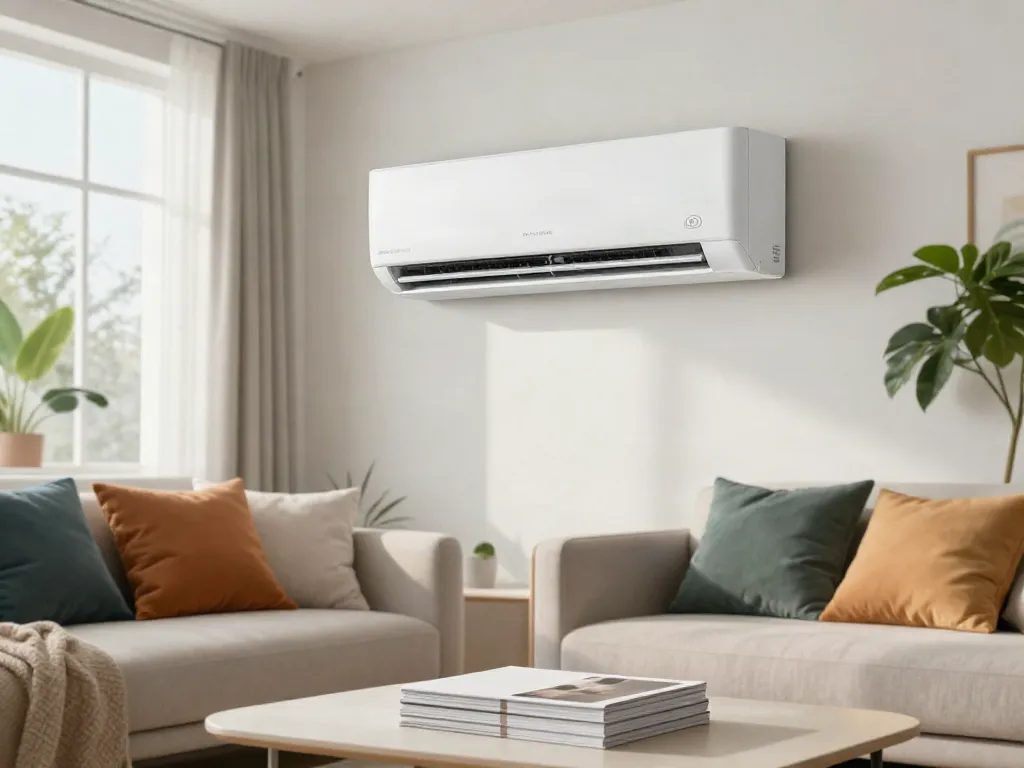
- Indoor Unit: Mounted on walls or ceilings, it distributes cooled or heated air into the living space.
- Refrigerant Lines: Copper lines that connect the indoor and outdoor units, allowing refrigerant to transfer heat.
- Control System: Typically includes a remote or a wall-mounted thermostat for convenience in adjusting temperatures.
How Mini Splits Work for Efficient Heating and Cooling
Mini split systems utilize a heat pump mechanism, which can both heat and cool spaces efficiently. During cooling mode, the indoor unit absorbs heat from the indoor air, transferring it to the outdoor unit through refrigerant lines. Conversely, in heating mode, the process reverses, extracting heat from the outdoor air and transferring it indoors, even in lower temperatures. This dual functionality makes mini splits particularly effective in various climates.
Benefits of Mini Split Systems
Energy Efficiency and Cost Savings
One of the most significant advantages of mini split systems is their energy efficiency. With SEER (Seasonal Energy Efficiency Ratio) ratings often between 16 to 25, mini splits consume less energy compared to traditional HVAC systems. This efficiency can lead to substantial cost savings on energy bills, particularly during peak usage months. Many units are also equipped with inverter technology, which adjusts the compressor speed to maintain the desired temperature without excessive energy use.
Flexible Installation Options for Various Spaces
Mini splits offer immense flexibility in installation, making them suitable for both new constructions and retrofits. Without the need for ductwork, installation is typically simpler and less invasive, allowing homeowners to have units installed in areas where conventional systems can't reach. From single rooms to multi-zone systems covering entire homes, mini splits can adapt to almost any space, providing customizable comfort.
Improved Air Quality and Comfort Levels
Mini split systems are designed to operate quietly, making them a preferred choice for bedrooms, offices, and other noise-sensitive environments. Additionally, many models come equipped with advanced filtration systems that improve indoor air quality by removing dust, allergens, and other pollutants, creating a healthier living environment. With precise temperature control for individual rooms, mini splits enhance overall comfort levels within the home.
Common Challenges with Mini Split Installation
Addressing Installation Mistakes and Misconceptions
While mini split systems have many advantages, improper installation can lead to performance issues. Common mistakes include incorrect sizing of units and improper mounting locations, which can impact efficiency and effectiveness. It’s crucial to consult with a professional who understands the specific requirements of mini split systems to avoid these complications.
Understanding Licensing and Professional Requirements
Installing a mini split system typically requires a licensed professional due to the complexities involved with refrigerant handling and electrical connections. Proper installation is vital not only for performance but also for adhering to local building codes and regulations. Always ensure the technician is qualified and experienced in mini split installations to prevent issues down the line.
Tips for Choosing the Right Location for Indoor Units
The placement of indoor units can significantly influence the system's efficiency. Here are some tips to consider:
- Install units in areas where you spend the most time, such as living rooms or bedrooms.
- Avoid placing units directly above heat sources or in areas with obstructed airflow.
- Consider aesthetics and how units will fit into your room’s decor.
- Ensure the unit is installed at least 7 feet off the ground for optimal airflow.
Maintenance and Care for Mini Split Systems
Seasonal Maintenance Checklist for Homeowners
Regular maintenance is essential for keeping mini split systems running efficiently. Here's a seasonal checklist to keep in mind:
- Clean or replace filters monthly, especially during peak seasons.
- Inspect the outdoor unit for debris and clear away any obstructions.
- Check refrigerant lines for leaks or wear and contact a technician if any issues are found.
- Schedule professional maintenance at least once a year to ensure optimal performance.
DIY vs. Professional Maintenance: What You Need to Know
While homeowners can handle some maintenance tasks, others should always be performed by professionals. Tasks like checking refrigerant levels, electrical connections, and complex repairs should be left to certified technicians. However, keeping the filters clean and debris away from the outdoor unit can often be managed independently.
Signs Your Mini Split Needs Repairs or Servicing
Pay attention to these common warning signs that indicate your mini split system may require professional attention:
- Unusual noises coming from the indoor or outdoor units.
- Unpleasant odors emitted from the system.
- Inconsistent temperature control or airflow.
- Increased energy bills without significant changes in usage.
Future Trends in Mini Split Technology
Innovations Impacting Energy Efficiency by 2026
The future of mini split technology appears promising, with innovations focusing on improving energy efficiency even further. Advances may include better refrigerants with lower environmental impact and enhanced inverter technology that optimizes energy use. Homeowners can expect to see systems that are not only more efficient but also quieter and capable of heating and cooling larger spaces more effectively.
Smart Home Integration and Automation
As smart home technology evolves, mini splits are becoming increasingly integrated with automation systems. Homeowners will soon be able to control their air conditioning via smartphone apps or voice commands, customizing their comfort levels and efficiencies on demand. This integration will not only improve convenience but also provide valuable energy usage analytics, allowing users to optimize their HVAC performance further.
Adapting to Regulatory Changes and Standards
Regulatory changes related to energy efficiency are likely to impact mini split systems significantly. Manufacturers may need to adapt to stricter energy standards, leading to further enhancements in technology. Homeowners should stay informed about these changes, which may also influence the products available on the market and available incentives for installing energy-efficient systems.
What Are the Advantages of Mini Split Systems?
Mini split systems offer numerous advantages, including:
- High energy efficiency that leads to lower utility bills.
- Flexible installation options that fit various spaces.
- Improved air quality due to advanced filtration systems.
- Individual temperature control for different rooms, enhancing comfort.
How Much Does a Mini Split System Cost?
The cost of installing a mini split system varies based on several factors, including the size of the home, the number of zones required, and the specific model chosen. Generally, homeowners can expect to spend between $2,000 and $5,000 for a complete mini split installation. Additional costs can arise from the need for upgrades to electrical systems or structural changes. Always obtain multiple quotes and assess the overall value and efficiency of the system chosen.
What Are the Disadvantages of Mini Split Systems?
While mini splits provide numerous benefits, they do have some disadvantages to consider:
- Higher upfront costs compared to traditional HVAC systems.
- Potential aesthetic concerns with the visibility of indoor units.
- Noise levels, although minimal, can be an issue for some users.
- Professional installation is typically required, adding to initial expenses.
Can I Install a Mini Split System Myself?
While it is technically possible for someone with HVAC experience to install a mini split system, it's not generally advisable for the average homeowner. Missteps can lead to inefficient operation or void warranties. Hiring a licensed professional ensures that the system is set up correctly, complies with local regulations, and operates at peak efficiency from day one.
How to Choose the Right Mini Split for My Space?
Selecting the right mini split system involves evaluating several factors:
- Calculate the required BTUs (British Thermal Units) based on the room size, insulation, and climate.
- Consider the number of zones you want to cover for optimal comfort.
- Research SEER ratings to find a unit that balances cost with efficiency.
- Read reviews and seek recommendations to find reputable brands and models.